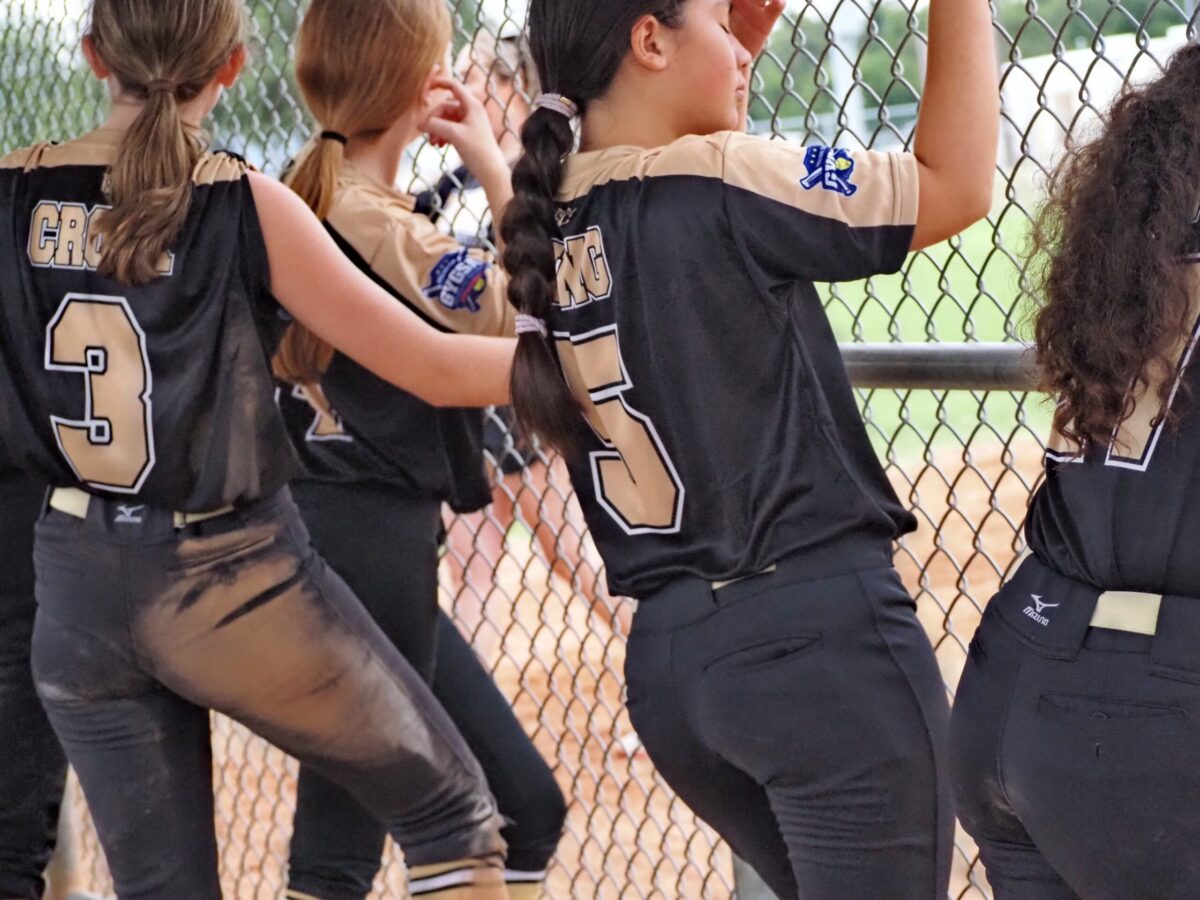
Why Rec Softball Matters: The Benefits of Team Sports Beyond the Field

Recreational softball is about more than just batting averages and final scores—it gives kids skills and friendships that last well beyond the diamond. Here are some of the biggest benefits:

Confidence

  • Learning new skills and improving over time builds self-esteem.
  • Players discover they can tackle challenges with practice and perseverance.

Teamwork

  • Kids learn how to communicate, cooperate, and support each other.
  • Working toward a common goal teaches responsibility and trust.

Friendships

  • Rec softball creates a fun, welcoming community where kids make lasting connections.
  • The friendships often stretch beyond the season and the field.

Healthy Habits

  • Softball keeps kids active, developing coordination, strength, and endurance.
  • It encourages a lifelong love of movement and outdoor play.

Life Lessons

  • Winning teaches joy and pride; losing teaches resilience and perspective.
  • Kids gain lessons in discipline, respect, and sportsmanship that carry into school, work, and life.

🥎 Quick Tip: Many kids look back years later and remember not the wins and losses, but the friendships, coaches, and fun memories of playing rec ball.
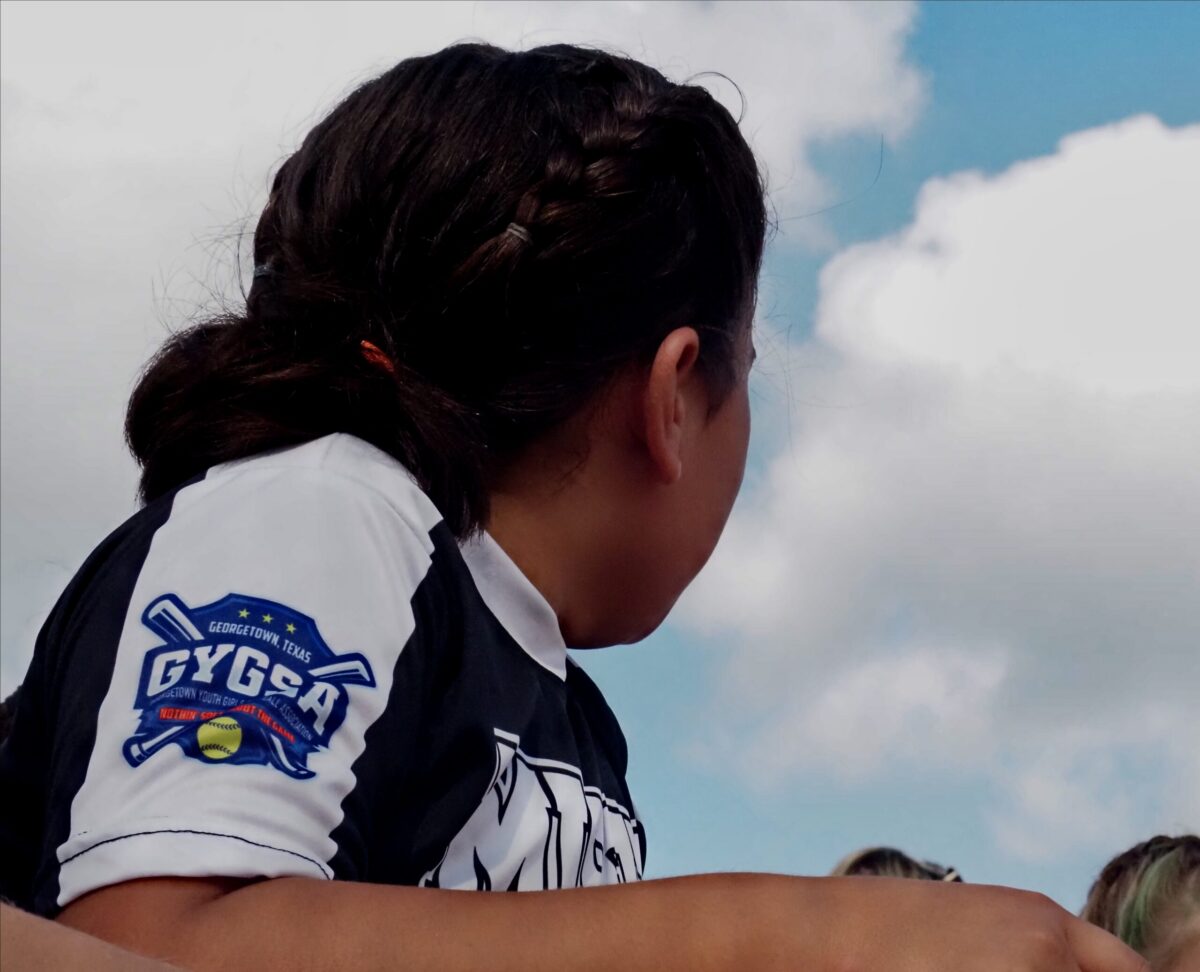
Mental Game Tips for Young Players: Encouraging Confidence and Resilience

Softball can be as much a mental game as a physical one. Striking out, missing a catch, or making an error can feel tough for young players, but learning to bounce back builds skills that last a lifetime. Here’s how parents and coaches can help:

Focus on Growth, Not Perfection

  • Mistakes are part of learning—remind players that even the best athletes mess up.
  • Encourage phrases like “I’ll get it next time” instead of “I can’t.”

Celebrate Small Wins

  • Recognize effort, hustle, and improvement, not just hits or runs scored.
  • Building confidence in little moments helps kids stay motivated.

Teach Positive Self-Talk

  • Replace “I’m bad at this” with “I’m still learning.”
  • Simple affirmations like You’ve got this” help players reset during tough moments.

Control the Controllables

  • Players can’t control the weather, the umpire, or the other team—but they can control their effort and attitude.
  • Teach them to focus energy where it makes a difference.

Model Resilience

  • When kids see parents and coaches staying calm and encouraging after mistakes, they learn to do the same.
  • Resilience grows when adults keep the environment supportive.

🥎 Quick Tip: After tough games, ask your child, “What’s one thing you learned today?” This helps them see progress instead of dwelling on mistakes.

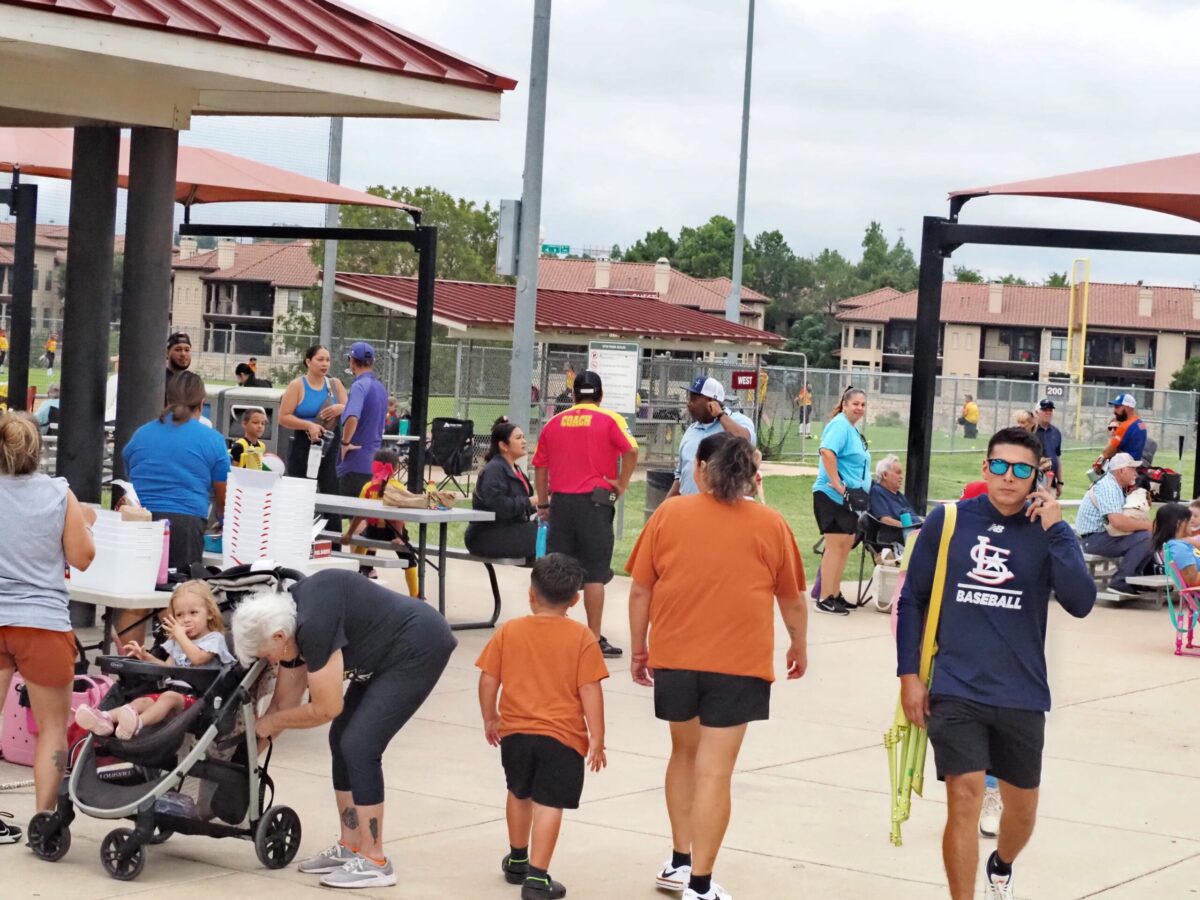
Parent Sideline Etiquette: Encouraging Positive Cheering and Good Sportsmanship

Recreational softball is about more than wins and losses—it’s about teaching kids teamwork, confidence, and having fun. Parents play a huge role in shaping the atmosphere on the field. Here are a few simple ways to make the sidelines a positive place for every player.

Cheer for All Players

  • Celebrate great plays no matter which team makes them.
  • Loud, positive encouragement (“Great swing!” or “Nice hustle!”) goes a long way.
  • Keep criticism off the field—kids learn best when they feel supported.

Respect Coaches and Umpires

  • Remember: Coaches and umpires are volunteers giving their time.
  • If you disagree with a call or decision, stay calm and let the coaches handle it.
  • Modeling respect teaches kids how to handle conflict with maturity.

Focus on Effort, Not Just Results

  • Praise hustle, teamwork, and good attitudes as much as hits or runs.
  • This helps players stay motivated, even when the game doesn’t go their way.

Keep it Fun

  • Avoid yelling instructions from the stands—too many voices can overwhelm players.
  • Let kids play, make mistakes, and learn without added pressure.
  • Save post-game conversations for encouragement (“I loved how hard you tried today!”).

Be a Role Model

  • Your behavior sets the tone for your child and the team.
  • Show sportsmanship by shaking hands, congratulating the other team, and keeping the energy positive.

🥎 Quick Tip: Ask yourself, “Would I want someone saying this to my child?” If the answer is no, it’s best to keep it to yourself.

GYGSA enforces a strict zero-tolerance policy regarding unsportsmanlike conduct. Spectators exhibiting inappropriate behavior will be removed.