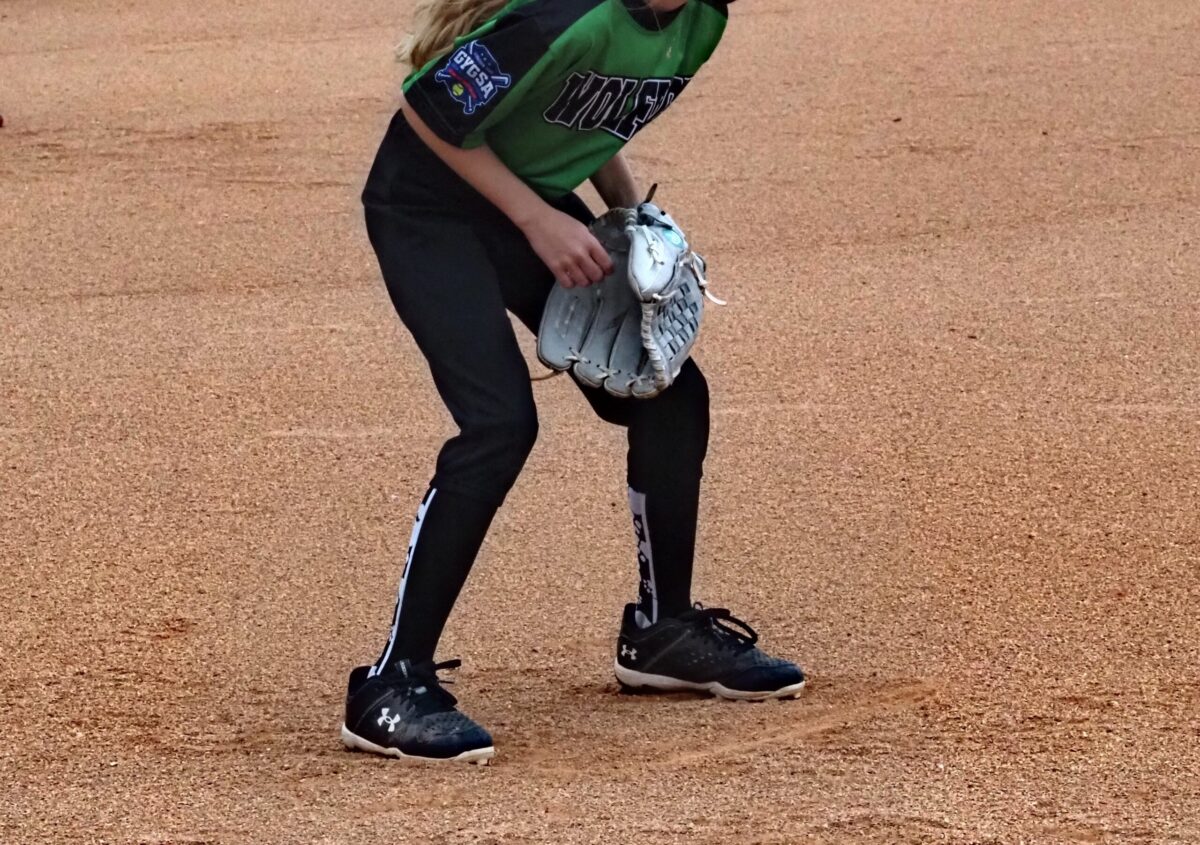
Get Ready for Spring 2026! Key Dates, Assessment, and Coaches Info

The Spring 2026 season is just around the corner, and we’re excited to see you on the field! Here are the essential dates and details you need to know to get started. Don’t Miss the Registration Deadline!

Mark your calendars! The Registration Deadline for the Spring 2026 season is January 31st. Be sure to register before this date to secure your spot.

  • Late Walk-ups: Walk-ups are allowed on Assessment Day, but late walkup registration will incur a late fee. Registering by the deadline is highly encouraged.

Coaches Application and Clinic

Interested in coaching? We need you!

  • Coaches Application: Coach applications are open until January 30TH.
  • Coach Approval: The board will meet and approve coaches for each age group and notify the coaches by January 31ST.
  • Coaches Clinic: The Coaches Clinic will be on Sunday, February 1st. Head coaches MUST ATTEND. Time to be posted soon. 

Assessment Day Details

Assessments are a key part of team formation, and we’re ready for a fantastic day!

  • Date: Saturday, February 7th
  • Location: 110 N College St, Georgetown, TX 78626

Assessment Schedule:

To ensure a smooth process, please arrive during your age group’s scheduled time:

  • 6U, 8U, 10U: 9:00 AM – 11:30 AM
  • 12U, 14U: 11:30 AM – 1:00 PM

Game and Practice Schedule

Here is a general overview of the game days for the season:

  • 10U, 12U, 14U: Mondays & Saturdays
  • 6U, 8U: Thursdays and Saturdays

Practice times will be determined by team, on Assessment Day. There are usually two practices per week.

Check out our updated 2026 Georgetown Youth Girls’ Softball Association Rules of Play. 

We can’t wait to see you all soon! If you have any questions, use our contact form!

Fall 2025 End of Season Tournament

🍂 What a Fall Season! 🍂

Our Fall 2025 season was one to remember — full of teamwork, growth, and unforgettable moments on the field. Every team gave it their all, and we couldn’t be prouder of the heart and hustle from every player, coach, and family this season. 💪🥎

🏆 Congratulations to our Champions and Runner-Ups!

6U Division
🥇 Pink Panthers
🥈 Dirt Divas

8U Division
🥇 Diamonds
🥈 Gators

10U Division
🥇 Wolfpack
🥈 Misfits

12U Division

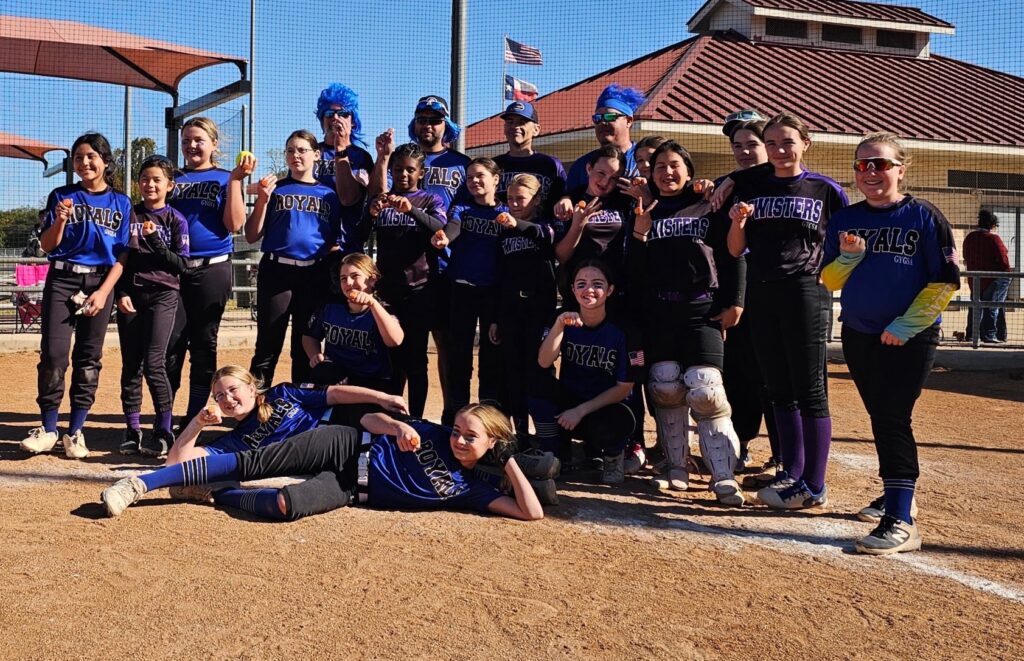
🥇 Royals
🥈 Twisters

Thank you to everyone who made this season such a success — from the cheers in the stands to the teamwork on the field. Here’s to another amazing season ahead! 💖

Why Rec Softball Matters: The Benefits of Team Sports Beyond the Field

Recreational softball is about more than just batting averages and final scores—it gives kids skills and friendships that last well beyond the diamond. Here are some of the biggest benefits:

Confidence

  • Learning new skills and improving over time builds self-esteem.
  • Players discover they can tackle challenges with practice and perseverance.

Teamwork

  • Kids learn how to communicate, cooperate, and support each other.
  • Working toward a common goal teaches responsibility and trust.

Friendships

  • Rec softball creates a fun, welcoming community where kids make lasting connections.
  • The friendships often stretch beyond the season and the field.

Healthy Habits

  • Softball keeps kids active, developing coordination, strength, and endurance.
  • It encourages a lifelong love of movement and outdoor play.

Life Lessons

  • Winning teaches joy and pride; losing teaches resilience and perspective.
  • Kids gain lessons in discipline, respect, and sportsmanship that carry into school, work, and life.

🥎 Quick Tip: Many kids look back years later and remember not the wins and losses, but the friendships, coaches, and fun memories of playing rec ball.

Mental Game Tips for Young Players: Encouraging Confidence and Resilience

Softball can be as much a mental game as a physical one. Striking out, missing a catch, or making an error can feel tough for young players, but learning to bounce back builds skills that last a lifetime. Here’s how parents and coaches can help:

Focus on Growth, Not Perfection

  • Mistakes are part of learning—remind players that even the best athletes mess up.
  • Encourage phrases like “I’ll get it next time” instead of “I can’t.”

Celebrate Small Wins

  • Recognize effort, hustle, and improvement, not just hits or runs scored.
  • Building confidence in little moments helps kids stay motivated.

Teach Positive Self-Talk

  • Replace “I’m bad at this” with “I’m still learning.”
  • Simple affirmations like You’ve got this” help players reset during tough moments.

Control the Controllables

  • Players can’t control the weather, the umpire, or the other team—but they can control their effort and attitude.
  • Teach them to focus energy where it makes a difference.

Model Resilience

  • When kids see parents and coaches staying calm and encouraging after mistakes, they learn to do the same.
  • Resilience grows when adults keep the environment supportive.

🥎 Quick Tip: After tough games, ask your child, “What’s one thing you learned today?” This helps them see progress instead of dwelling on mistakes.

Parent Sideline Etiquette: Encouraging Positive Cheering and Good Sportsmanship

Recreational softball is about more than wins and losses—it’s about teaching kids teamwork, confidence, and having fun. Parents play a huge role in shaping the atmosphere on the field. Here are a few simple ways to make the sidelines a positive place for every player.

Cheer for All Players

  • Celebrate great plays no matter which team makes them.
  • Loud, positive encouragement (“Great swing!” or “Nice hustle!”) goes a long way.
  • Keep criticism off the field—kids learn best when they feel supported.

Respect Coaches and Umpires

  • Remember: Coaches and umpires are volunteers giving their time.
  • If you disagree with a call or decision, stay calm and let the coaches handle it.
  • Modeling respect teaches kids how to handle conflict with maturity.

Focus on Effort, Not Just Results

  • Praise hustle, teamwork, and good attitudes as much as hits or runs.
  • This helps players stay motivated, even when the game doesn’t go their way.

Keep it Fun

  • Avoid yelling instructions from the stands—too many voices can overwhelm players.
  • Let kids play, make mistakes, and learn without added pressure.
  • Save post-game conversations for encouragement (“I loved how hard you tried today!”).

Be a Role Model

  • Your behavior sets the tone for your child and the team.
  • Show sportsmanship by shaking hands, congratulating the other team, and keeping the energy positive.

🥎 Quick Tip: Ask yourself, “Would I want someone saying this to my child?” If the answer is no, it’s best to keep it to yourself.

GYGSA enforces a strict zero-tolerance policy regarding unsportsmanlike conduct. Spectators exhibiting inappropriate behavior will be removed.

Choosing the Right Softball Bat

Finding the right bat can feel overwhelming with all the sizes, weights, and materials out there. Here’s what parents should look for:

1. Length & Weight

  • Length: Match the bat length to your child’s age group (see our sizing chart).
  • Weight: Look for the “drop” number (length minus weight). A higher drop (-11, -12) means the bat is lighter and easier to swing for younger players.

2. Material

  • Alloy Bats: Durable, usually less expensive, ready to use right away.
  • Composite Bats: Lighter swing, larger “sweet spot,” but usually cost more and may need a break-in period.
  • Hybrid Bats: Combine alloy barrel with composite handle for a mix of both benefits.

3. League Approval

  • Check for the required stamp (USA Softball or USSSA). Only bats with the correct stamp are allowed in games.

4. Comfort & Confidence

  • The bat should feel easy to control, not too heavy.
  • If possible, let your player try swinging a bat before buying—it makes a big difference.

🥎Quick Tip: Bigger is not always better. A bat that’s too heavy slows down swings and makes hitting harder.

How to Break In a New Softball Glove

A brand-new glove can feel stiff and hard to close, but breaking it in properly will help your player catch more confidently and keep the glove lasting longer. Here are a few safe and effective ways to do it:

Step 1: Play Catch

  • The best way to break in a glove is simply to use it.
  • Have your player play catch regularly—this naturally shapes the pocket to their hand.

Step 2: Form the Pocket

  • Place a softball in the glove pocket.
  • Wrap the glove closed with a band or tie overnight to encourage the glove to form around the ball.

Step 3: Use a Glove Conditioner (Optional)

  • A small amount of glove oil or conditioner can soften the leather.
  • Apply lightly—too much can make the glove heavy and shorten its lifespan.

Step 4: Avoid the “Bad” Methods

  • Don’t bake, microwave, or soak the glove in water—these tricks can damage the leather.
  • Stick with gradual, natural break-in methods.

🥎 Quick Tip: For younger players, softer leather gloves are easier to break in and close.